May 11th, 4th NEGOTIATING SESSION

May 11th, 10 am @ Hammer LL2-207

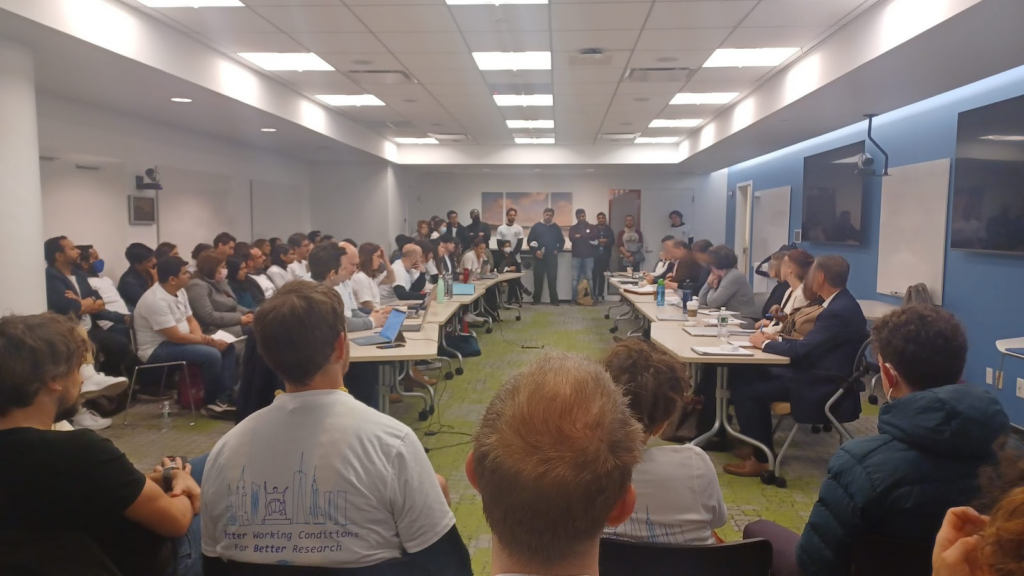
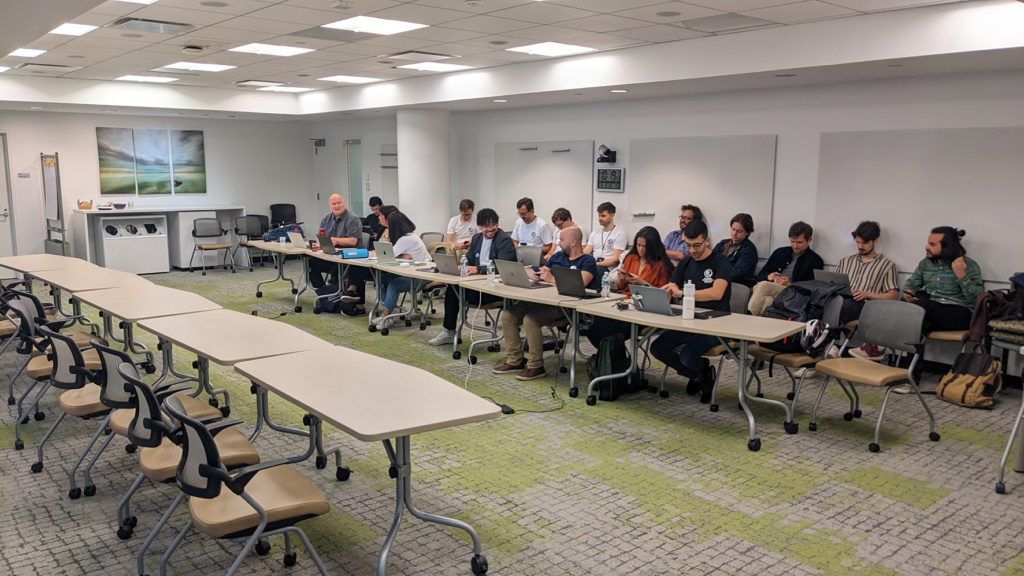
  • We arrived at 10am, the Columbia administration arrived around 10:25 am, and we got started. 
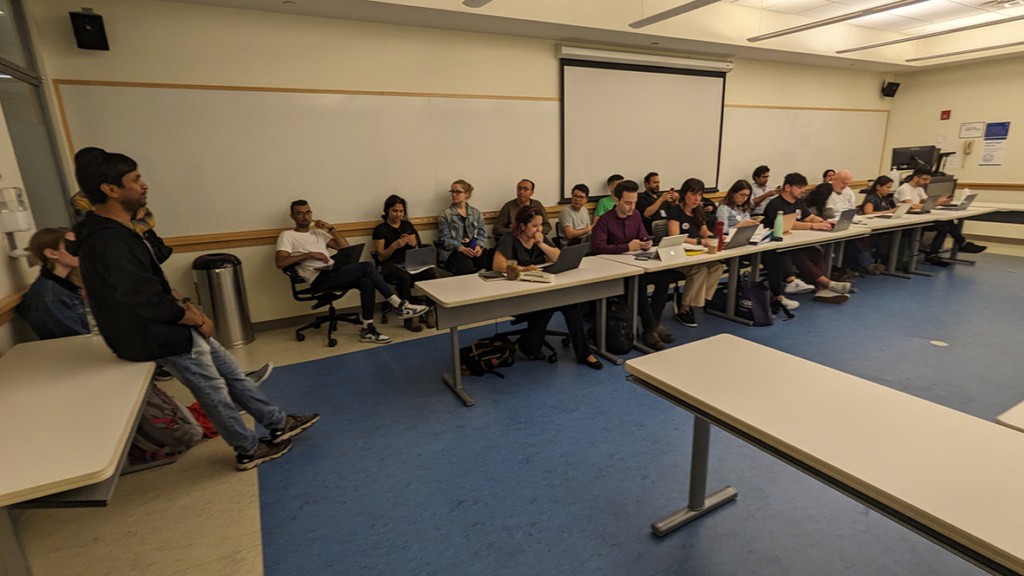
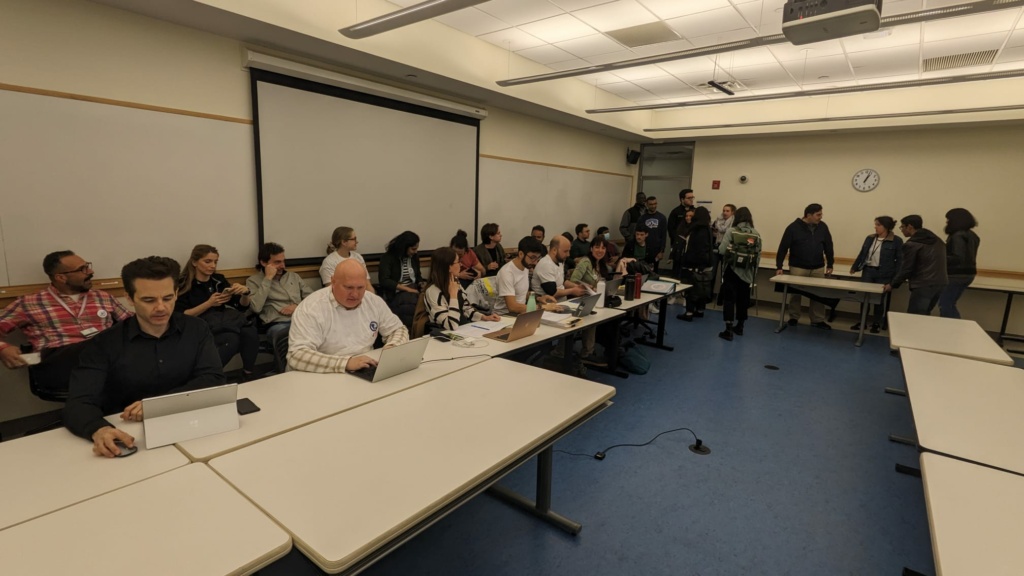
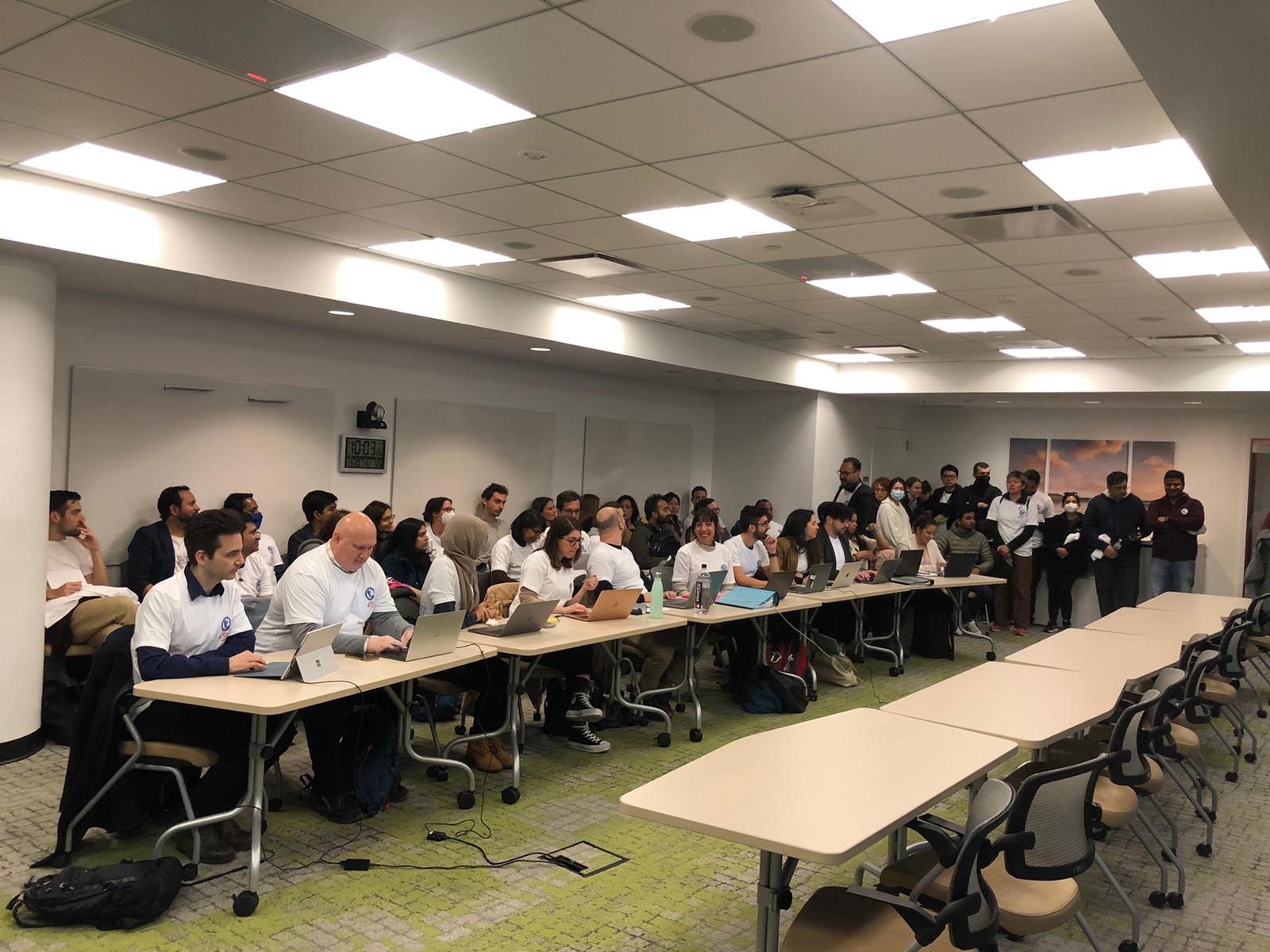
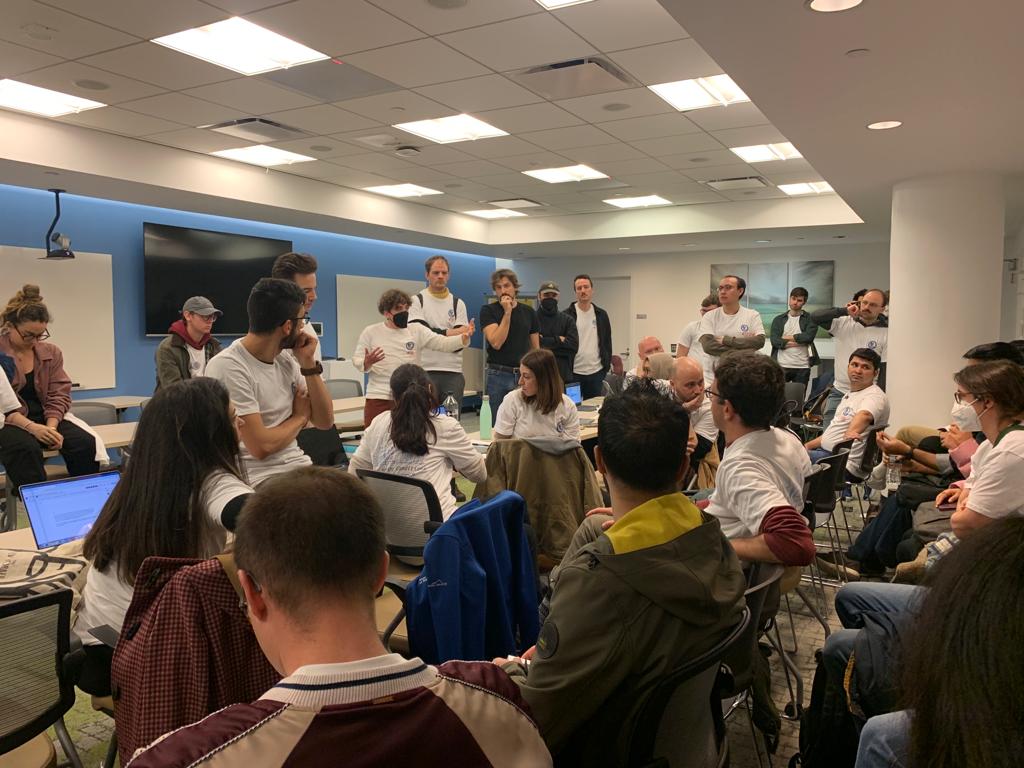
  • 25 of us were in the room right now fighting for a better contract. There are 15 postdocs in the room standing behind our Bargaining Team of 10.
  • First item on the agenda: the duration of our contract
    • CU Admin wants a longer agreement, we have proposed 3 years. We answered that Postdoc/ARS stay in the university for short times, high turnover, and therefore shorter agreements might be more in line with the interests of our unit. Especially with high inflation it might make sense to update the contract often, dependent on what we get for cost of living in our compensation package
  • Next item: the list of arbitrators that CU Admin suggested
    • CU Admin wants us to go with their list of arbitrators. These arbitrators will resolve the grievances that postodocs/ARS will have when we are wronged by the CU Admin. These positions are important. We offered to come back to them next week. Admin says that they want us to accept one of theirs if we propose one of ours. We have proposed an idependent way to choose abitrators a few months ago through the American Association of Arbitrators, but they rejected really hard during Union-Managment meetings. We will get back.
  • Next item on the agenda: the article on Union Access and Rights
    • We are asking for accurate information (lists) from the University. This is crucial for us to be able to find new postdocs and update them on the union, to monitor issues with pay and appointments, to enforce the contract regarding salary and other issues. We also want our staff to have access to University buildings so that they can contact workers. The Administration has been refusing to give our staff IDs, that prevents us from talking to postdocs and ARSs on a daily basis!
    • Additionally , the university refuses to give us data on gender, race, visa status etc. That prevents us from knowing if postdocs in differrent categories are treated unfairly!
    • CU Admin argues that giving access to buildings for our staff is an issue of confidentiality and security of their buildings. Right now two of our staff have not been given IDs, it has been 1 year since we asked for them.
    • Very long (and mildly surreal) discussion ensues about our staff having contractor IDs for access, and members of e-Board and Stewards having access to all University buildings. They insist that security that doesn’t allow them to give access. We reply that there could be a list of pre-approved people for access in buildings that will be reviewed every few months.
    • CU Admin objects to having mandatory orientations for every new postdoc by the Union. They say that if we make it mandatory there will be repercussions for the postdocs, but it turns out that at the end they are concerned about repercussions to the University if we complain that orientations don’t happen.
    • CU Admin is very happy with our advocacy on all issues, they are having a really nice discussion with us.  If so, PUT IT IN THE CONTRACT!!!
  • Next item: Article on Recognition.
    • We ask that all postdocs who have “received a doctorate or its professional equivalent who provide services to the university” are hired as Postdocs or ARS and are in our Unit. And that they are given a full set of benefits (Fellows included!).
    • There are Fulbright Postdoc Fellows that get paid $45,000 a year!
    • We are explaining the power imbalance between incoming postdocs, and the University. How if we allow the University to categorize postdocs as Visiting Scholars they will create incentives for the Administration to pay all of us less.
    • The question is how postdocs that receive salary directly from external agencies will be treated. Should the source of funding define if a postdoc affords to pay the rent? Living on $45,000 in NYC!
    • CU Admin insists that a lot of our issues do not belong in this contract.
    • We replied: We are tired of CU Admin telling us that all of our issues do not belong in the Collective Bargaining Agreement (our contract)! What does and does not belong in a contract gets negotiated on this table and we have as much say as CU Administration does! (edited) 
    • We are asking for clarification from the Administration regarding who gets classified as Visiting Scholars. Why do people with fellowships end up sometimes being classified as Visiting Scholars and don’t get paid the minimum. CU Admin responds: It is workers that perform their own independent research, that will not benefit a Columbia Lab. We asked for written official definitions of the titles.
  • CU Admin asked for a break. We are going to do a caucus now! During the session, we took breaks to discuss our strategy.
    • The importance of non verbal communication on the bargaining table. CU admin are coming in late, talking in circles, leaving cell phones on, etc. That is not a professional nor respectful way to present as a team.
    • Next strategy: we need to counter their stalling strategy.  Let’s get as much visibility as possible and show them how much we care about moving forward with negotiation for a better contract!
    • COME TO THE DEBRIEF SESSION and tell us what you think! Any suggestion, impression, or help is very much appreciated.
  • Next item on the agenda: Job Postings (this is about Diversity and Inclusion) 
    • We want to promote diversity in the postdoc/ARS workforce as much as possible. In order to do that, the University needs to track applications and final hiring so that we can monitor bottlenecks in diversity and inclusion.
    • Columbia Admin says though they support diversity, that the are limited because diversity is only measured for citizens and green card holders only! And that limits them. It is hard to measure diversity with international populations, apparently… Again, they say you wouldn’t see in a contract the obligation to track diversity. That is how much they care and support diversity words but no actions! (edited) 
    • They say “We are hugely progressive organization”. They are okay with sharing information to regulators, not with us, they follow the federal categories and that’s that.
    • We say: Diversity should be part of the contract, any issue that affect our working conditions should be part of the contract. It is not only about workers not being fired without just cause, or receiving more than minimum compensation. Diversity is a matter of feeling safe and included at work. It affects if and how well underrepresented postdocs/ARSs can perform their research.
    • They say “University is committed and is doing a good job. But it is different to set up a formal tracking mechanism”
    • We want to change the culture of academia so that it is more inclusive and diverse. But in order to do that we need to have data so that we know what is happening, we need to track. Something that we can also scale up to other Universities too.. CU Admin says: we need to just talk, we can’t do more than that!
    • Columbia Admin: Imagine that you put this clause in the contract. And imagine that we track the data about diversity in the process of hiring postdocs. And then you find out that the process is biased and that hiring is not as diverse as it should be. Then what would you do, file a grievance?
    • They say: Columbia is part of the system, and as part of the system it could do better. But we are not doing that in a contract
  • Next topic: Workspace and Materials
    • We ask for inclusivity and accessibility in our workplace “gender neutral bathrooms, and accommodations to ensure accessibility including but not limited to ramps, elevators and at least one automatic door per building, and adjustable desks as required by employees”
    • Columbia Admin: Again refuse to put that in the contract. They can give us data about some of these things. But they can obviously NOT   include that in a contract. They cannot guarantee an accessible workplace!
    • We also want: if a postdoc/ARS arranges remote work with the PI, that the University does not deny the request for remote work.
    • Columbia Admin: it is complicated. Is it remote work from Queens? Is it remote work from Montana? Is this one day remote? Is it three days a week remote? It it completely remote? These are real issues with the university as a whole. [sorry, but this is the level of argument here, it doesn’t make sense to me neither, I think he means to say: We are just not doing this]
    • We are asking to be treated like adults Example: There is a Columbia postdoc that lived in California, her experiments were in Stanford. The University Administration denied her permission to work remotely! CU Admin says: they would never want this to be grievable, they don’t want the union to be able to complain and resolve this issue for the postdoc. It is not on the PI to decide this, the University wants to control whether a PI allows their postdoc to work remotely. (edited) 
  • Next item: Union Dues
    • We want to maintain a robust union, implementing mechanisms that ensure that new hires receive proper notice to their union rights, and are informed that they need to either to become members of the union, or to pay a fair share fee. And that Union fees are properly deducted, that the University does not randomly decide who the deduct dues from, that they are consistent and follow the rules.
    • There have been a lot of issues with this. We have invested a lot of resources (and written some code) to track their “mistakes”. They have been arbitrarily removing members from dues lists when they become fellows from postdoc, or from postdoc to fellow. And they owe us thousands of dollars from the last three years, that they refuse to acknowledge.
    • Columbia Admin: They also have a proposal on union dues, they want to make our union weaker by making it optional to pay a fair share fee, while we as members will still have to represent every worker and fight for everyone like we are doing today! We want to understand the logic (so will ask some questions after the break).
  • CU Admin says: we are not sure if we will have a compensation proposal on Monday!!! We are pushing that it is very important for us to see what they have to offer because they are stalling all economic proposals. They are saying that they understand and they will do their best to give us something soon…. 
  • They are not committing to anything. They understand our concerns and time pressures, and they hope to put a compensation proposal on the table soon. How magnanimous that they are not commiting to a timeline but they understand us so well…
  • End of bargaining session #4

DO YOU WANT TO KNOW MORE?

Read the minutes from the other sessions!

Follow our next emails with updates on future steps and debriefing sessions!!

Reach out to us to get involved!

Follow us on social media! Twitter, Instagram, TikTok, Facebook, and join our and Slack​.

Share this info with your friends and colleagues!
4th day of negotiations for our Contract + Debrief Tomorrow, Friday May 12th 12:30 pm!!!

Yesterday, May 11th, we had our fourth bargaining session for our Contract with Columbia University’s Administration!!💥💥💥

We will have a debrief session tomorrow on Zoom on Friday May 12th, 12:30pm. We will discuss both the 3rd (May 9th) and the 4th (May 11th) negotiation sessions. 

RSVP for the debrief discussion Friday at 12:30pm

But OMG – so many things happened today!

With today’s session, we discussed the remaining non economic articles. CU Admin has been reluctant to discuss compensation. Now they have to engage with our economic demands! 

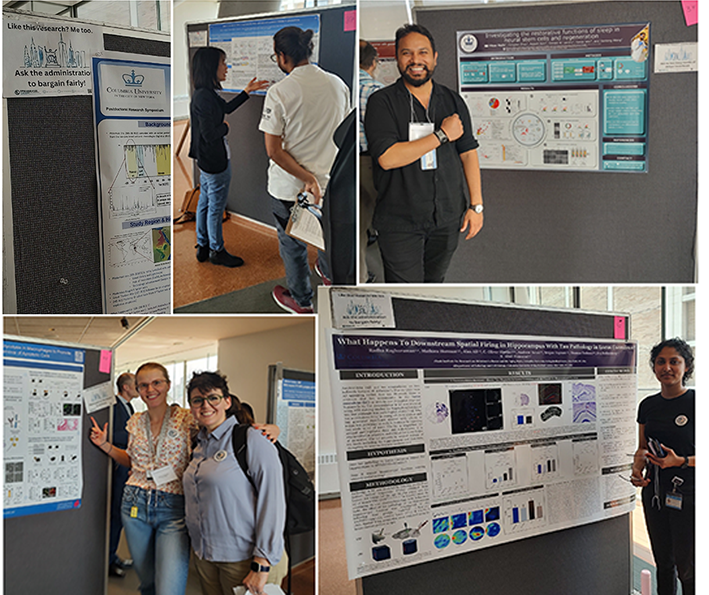
While bargaining was happening, union members had the chance to present their amazing scientific work at the postdoctoral research symposium – and showed their support for the ongoing bargaining! The symposium was a chance to catch up on the latest research news and simultaneously, exchange ideas on bargaining. 40 out of 57 posters displaying flyers in support of our Union. THANK YOU to everyone who is showing us their solidarity, appreciation, and gratitude to what the CPW is doing. It’s been very fulfilling. We couldn’t make it without your support. 🤓✊

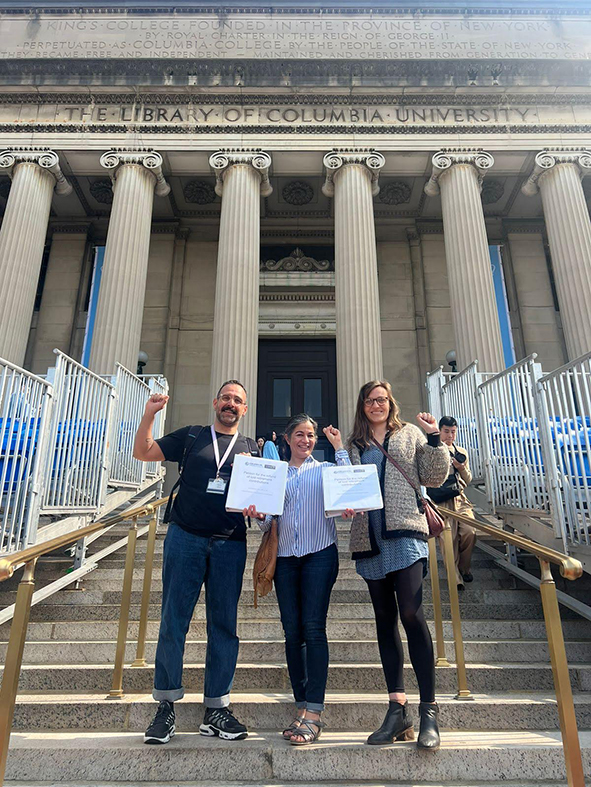
Also, at 10 am we and the American Association of University Professors delivered a petition to reimburse the retirement contributions that were frozen in 2021 due to pandemic-related financial decisions. 800+ signatures were delivered to the Provost’s office!  There was no financial hardship for CU Admin during the pandemic >> see the financial report for Columbia University! 🔥🔥

Here’s a brief recap of the May 11th bargaining session. Come to the debrief tomorrow to hear more!!

  • 9:30 am, Gathering!
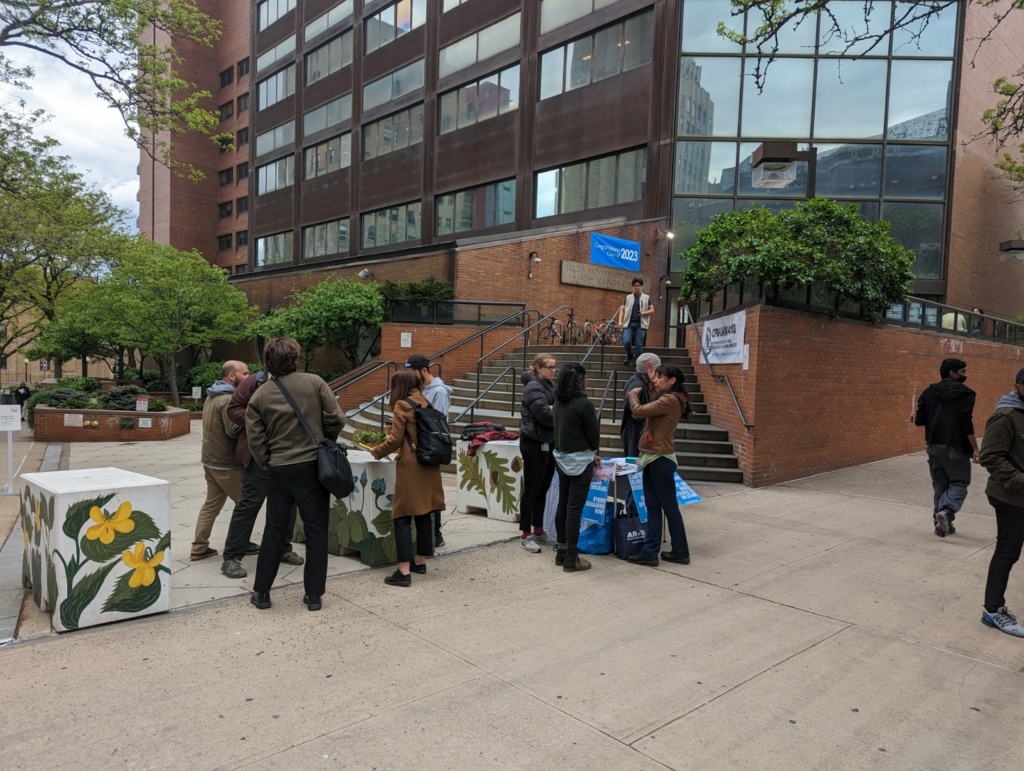
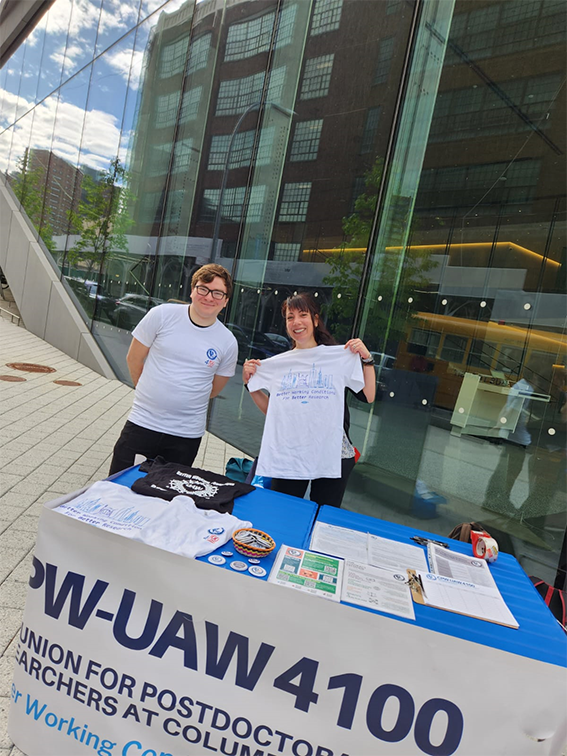
    We met in front of Hammer, CPW set up tables and Postdocs/ARSs came to socialize, and get t-shirts, pins and flyers (as always!! This has been fun, come and check it out!).
  • 10 am, Start of bargaining! 
    As usual the CU administration team joined  late (25 min this time).

CU admin wants it to last 3-5 years. We want a shorter contract (2 years) to ensure that new Postdocs/ARSs that join CU can negotiate terms more frequently, so that they can fight for their rights during volatile economic times with unforgiving inflation.

In case that a grievance does not get resolved between a worker and the University, an outside Arbitrator needs to be involved. CU Admin suggested names for 3 Arbitrators of their liking. We are skeptical of accepting all of them all. 

Our Union’s Staff Organizers must have access to CU buildings so that they can communicate to members. CU Admin strongly opposes this, citing security issues (excuses? Editor’s note). We would abide by their safety protocols and have staff organizers ID’s screened and pre-approved…

We believe that Postdocs that are paid directly from a granting agency (as opposed to Columbia’s payroll) deserve the same protections as all of us. They should be able to afford to live and do research in NYC. Instead, CU Admin claims that they are not employees.

  • Job Postings (this article is about Diversity and Inclusion): 

We want to promote diversity in our unit and in CU as much as possible. The University should track applications (they do it already with ARSs), so that we can monitor bottlenecks in diversity and inclusion. CU Admin says that it’s an impossible burden on their bureaucracy, but “We are a hugely progressive organization” – in words only (Editor’s note #2)…

We demand accessible workplaces: ramps, elevators,at least one automatic door per building, and adjustable desks. They replied that they are working on it… for decades now (Editor’s note #3). We also asked for gender neutral bathrooms – same answer.

We want and deserve a robust union. To maintain that, union dues need to be properly deducted in a timely manner. CU admin  has not been consistent and owes the union several thousands from mistakes they have made, and they want to remove in the contract a pivotal part regarding the dues.! This is a complex issue that we need to address asap!

  • Caucusing:  
    During the session, we took breaks to discuss our strategy.
    • The importance of non verbal communication on the bargaining table. CU admin are coming in late, talking in circles, leaving cell phones on, etc. That is not a professional nor respectful way to present as a team.
    • Next strategy: we need to counter their stalling strategy.  Let’s get as much visibility as possible and show them how much we care about moving forward with negotiation for a better contract!
    • COME TO THE DEBRIEF SESSION and tell us what you think! Any suggestion, impression, or help is very much appreciated.
  • What’s next?

Our Bargaining committee have presented all our non-economic proposals and now it is in the Administration’s court to respond how much are they willing to spend on supporting postdocs/ARSs. Despite us repeatedly saying that we want a compensation proposal for the next session they just replied with vagueness that we may get one on May 23rd. We may need to increase the pressure! Join us tomorrow to discuss how

  • Next bargaining session is on Monday, May 15th, 1pm at Hammer Room LL201, Medical Campus

Join the sessions! Witness the negotiation as it unfolds! Join the Organizing Committee!

RSVP for the recap + discussion! 

  • And join our slack for live updates and commentary during the bargaining sessions. 

RSVP to Join the Next Bargaining Sessions 

Follow our next emails with updates on future steps!

Read the full report from the 4th bargaining session!

Reach out to us to get involved!

Follow us on social media! (IG, Twitter, Slack)

Share this info with your friends and colleagues!
CHECK THE BARGAINING ARTICLE TRACKER

Cheers!
Your Friendly Neighborhood Bargaining and Organizing Committees.


HAVE AN ISSUE? GET IN CONTACT!

Want to stay informed? Check out our website and follow us on Twitter, Instagram, TikTok, Facebook, and join our and Slack​.

May 9th, 3rd NEGOTIATION SESSION

May 9th, 10 am @ Studebaker, Room 469.

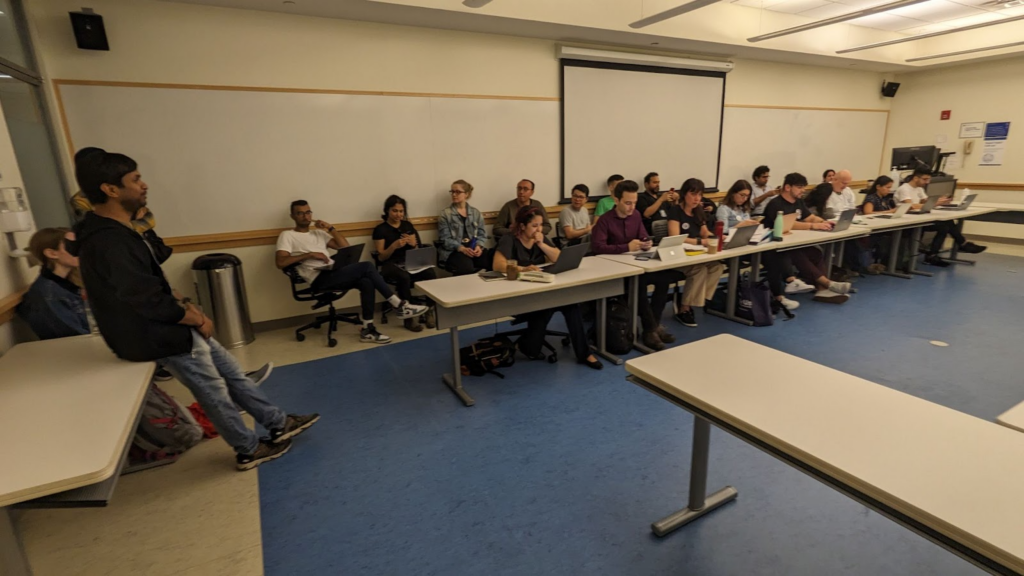
  • We arrived at 10am, the Columbia administration arrived around 10:15 am, and we got started. 
  • 20 of us were in the room right now fighting for a better contract. There are 13 postdocs in the room standing behind our Bargaining Team of 7.

The first topic was benefits!

  • The union bargaining team presented our demands for updates to the contract related to benefits, citing examples and information gathered from the bargaining survey that a majority of postdocs completed, with benefits being rated as one of the highest priority topics.
  • Contract demands include:
    • an update to the contract that states that benefits can not unilaterally be changed by the administration without consultation of the union, 
    • the start of fund to be made available to cover healthcare costs for members who need it, 
    • relocation costs to be provided by the university to support new hires moving to New York City, and housing support that provides a 10,000$ housing stipend, paid by the university.
  • The university’s initial response is that they are rejecting all the suggested changes on benefits. They tried to emphasize that there have been increases to certain benefits since the contract came into effect, which we have access to – which is true. However, their response seems to ignore the actual requests – which still allows for changes to benefits, but not unilateral changes whereby the university would remove our benefits – such as they did with retirement (they cut retirement contributions during the pandemic!). 
  • They have implied some openness to discussions on relocation costs, but nothing concrete. They are supposed to give us concrete language on specific articles, will they ever do that or are we just chatting?
  • Columbia Admin asked if we would consider the possibility that the fund for postdoc/ARS expenses that we suggested could be operated through the Office of Postdoctoral Affairs (OPA), and the use of FSA accounts. These topics suggest some room for discussion – pending solid contract language, a fund through OPA, and/or deposited from the university into FSA accounts would be wins for the contract. To be clear, this is still just table discussions and it is still unclear if these things will be agreed or properly offered, as the Columbia side is not offering counter offers in terms of contract language, but generally just discussing ideas.
  • A key point that the administration keeps emphasizing is that they have a consistent benefits package across all officers of research (this is an employment designation that the university uses that includes our members, and also other job titles, such as professors). Our bargaining committee is emphasizing that they understand this aspect (it’s a topic that came up in the first contract), and the updates we provided are actually designed to allow for a consistent benefits package across officers of research, with updates that provide increased protections to our members, and also improvements that meet our needs, while acknowledging and addressing that we are the lower salary tier of officers. Just because other officers like us have the same benefits as officers with higher salaries, it does not mean that it is working for us.

We decided to take a break and caucus!

  • There was some talk on strategy – we are continuing to push on asking for their compensation offer, which they have thus far not stated their offer, despite us asking multiple times. 

The next topic we will bring up after they return is on compensation

  • There was also some discussion on the bargaining process. Legally, the union and the employer (CU) have requirements to bargain in good faith with each other, as specified by labor law and supervised by the NLRB.
  • So far Columbia’s Admisntration has been disregarding the process, not offering proposals by their own and not treating us like equals at the table. We think that is troubling but would want to hear from you! Join our organizing meetings, and recap discussions post bargaining sessions. Next one us this Friday at 12.30pm on zoom! [RSVP]

After the caucus, the next topic was compensation! 

  • Our bargaining committee presented our compensation package, which includes changes to our minimum (increasing to 90K), updating yearly raises based on COLA (linking yearly raises to inflation, Cost Of Living Adjustment). We also clearly emphasized that at least part of the money that is requested should come from Columbia money, not just from the PIs, in particular for topics like the COLA adjustments.
  • The initial response from Columbia was to call the demands unreasonable. They are emphasizing their desire to focus on “what the market is”. They are also pushing back strongly on the idea that Columbia’s Administration can fund compensation through their operating budget, they insist that all money should come through PI grants. We gave examples of Princeton and MIT, who have supported research and postdoc salaries with central University money.
  • On the topic of the “market”, there was some conversation on “what is the market”. Our side presented data on average salaries for people with PhDs across different fields (beyond academia), showing that salaries exceed at least 90K, often well above 100K, across different sectors. It has been emphasized from the union side that there is a general difficulty with hiring postdocs – also reflecting that postdoc jobs do not compete with the market of options we have available. We are also emphasizing that the cost of living in NYC is a key factor in our demands. The Columbia administration continued to treat the demands as unreasonable, without engaging in any debate or counter-offers on what they considered an acceptable offer. 
  • Are years of PhD research experience worth anything to the administration? “I don’t think the market rate is 90K for a postdoc who comes in with zero experience” – CU Admin

Short break (lunch break – we are not currently caucusing).

Next topic was: International workers. 

  • Columbia’s Administration brought an additional person to the meeting who is joining for this section, Jane Acton who works with ISSO / the international office at Columbia university. She is being introduced as a topic expert who can help answer questions and work on topics related to international workers & visas.
  • The initial discussion was about visa lengths, and most specifically, the duration of the DS-2019 which is a visa document related to the J1, which is a very common visa for international workers to be on. We request that where possible, the duration of the DS-2019 be set as the maximum number of years allowed (for example, the length of funding / contract), whereas currently duration is often set to be renewed every year, at cost to the employee (and the employer). Jane Acton, the ISSO representative, seems a bit surprised that departments aren’t necessarily doing what seems optimal. 
  • The other broader comment from the Columbia administration is that they consider this to not be appropriate to be put into contract language.
  • The discussion is largely oriented around what belongs in the contract, and how to address problems. The administration keeps trying to state that these things do not belong in the contract. The union team is emphasizing that after 3 years of having a contract, with numerous issues that have arisen, we understand that stating that “things will be addressed” is not sufficient to actually address problems. The union has brought up several examples of workers who have had issues whereby the university has created problems and not done visa management appropriately.
  • Overall, they tend to emphasize that they think their processes are sufficient, that the union and postdocs/ARSs should just be individually reaching out with issues to the Administration (which we have done regularly, several generations of postdocs) wasting our energy and time, and that if some cases go wrong, it is not something that the contract can address. 
  • We are now on a brief break – the general consensus from our side is to agree that visa topics are very complicated, and some specific notes and examples raised do reflect real difficulty in providing clear / useful / actionable contract language. The plan is to revise the contract language on this topic and present a revised proposal.

Last topic was vacations.

  • In particular their suggested edit to the vacation clause – to remove the section that states that our unused vacation days can be paid out at the end of contract / termination.
  • They repeated their desire to remove this clause. They claim that the original intent of this clause was to encourage postdocs/ARSs to take vacation, and that they trained PIs to encourage their postdocs/ARSs to do so. However, they think that we are not taking vacation because postdocs/ARSs want to focus “in career development” and “moving forward their projects”, which creates a budget problem when the appointment ends, as grants do not allocate money for unused vacation time. 
  • It was noted by our team that their original argument (in the first section) was that unused vacation is difficult to track, and that they are currently making a different argument.
  • From our side the union is asking questions and making some key points: for example, that postdocs/ARS are often discouraged from taking vacation. The union agrees with the desire to allow people to take vacation, but believes this is still an important contract element.
  • The closing note on vacation is for each side to get more information, and bring edits – nothing was formally decided

End of bargaining session #3


DO YOU WANT TO KNOW MORE?

Read the minutes from the other sessions!

Follow our next emails with updates on future steps and debriefing sessions!!

Reach out to us to get involved!

Follow us on social media! Twitter, Instagram, TikTok, Facebook, and join our and Slack​.

Share this info with your friends and colleagues!
Third day of negotiating for our Contract with CU Admin!!!

Yesterday, May 9th, we had our third bargaining session for our Contract with Columbia University’s Administration!!💥💥💥

Here’s a recap of what happened on May 9th:

  • 9:30 am, Gathering!

We met in front of Studebaker building, CPW set up tables and Postdocs/ARSs came to socialize, and get t-shirts, pins and flyers.

  • 10 am, Start of bargaining! 

…..For us… CU administration team joined ~ 10:20 am. 

During this session, the following articles were discussed:

  • Our main goals: lower healthcare premiums, protection from CU unilaterally modifying benefits, create a fund for unexpected healthcare costs, and having CU helping with relocation costs.
  • CU admin’s response was to outright reject everything, complaining about our “laundry list” of demands. We responded that we need their proposals, especially on compensation, to tailor our requests further.
  • The CU admin stated their goal of maintaining a unified set of benefits to all officers of research.We responded that benefits and healthcare are critical topics for Postdocs/ARSs, who are more vulnerable due to low pay. 
  • Compensation:
    • We presented our compensation demands, including cost of living adjustments (yearly raises tied to inflation), and a raise in minimum salary.
    • The CU admin called our demands unreasonable. They expressed a desire to “follow the ‘market’” – though inconsistently, they seemed to ignore data on salaries after PhDs in the whole market (inside/outside Academia).
    • The CU admin argued that all money should come from PI grants. They said CU will not fund compensation through its operating budget, despite other institutions doing this (Princeton, MIT).
    • The CU admin questioned if our salary demands are appropriate for people starting at an “entry-level job” and with “zero-experience” – ignoring the training and skills we bring to our jobs and the not-entry-level tasks we routinely perform.
    • The CU admin has not made any offers on compensation – they “are working on it” and will “present it soon”  (timeline unspecified). This is part of a consistent pattern in which they are not responding with specific offers on any economic topics.
  • International Workers:
    • We want better assistance for workers with visas: eg, providing longer duration. We introduced examples of workers who have had visa issues created or exacerbated by CU admin, and therefore, were not able to travel, missed conferences, and were stuck in their home country…
    • The CU admin does not agree that this should be addressed in the contract.
    • A representative from the ISSO office was invited over She seemed surprised to hear how difficult it is for us to deal with departments re: visas.
  • Pay for Unused Vacation
    • CU admin wants to take away our right to receive pay for unused vacation days at the end of our appointments.
    • CU admin claimed that unused vacation is a problem for budgeting, and that postdocs should just take their vacation days.
    • We explained that while we agree that we should take vacation, we are often discouraged from taking vacation by our PIs.
  • Caucusing: 

During the session, we  took breaks to discuss our strategy: the CU admin does not seem to be bargaining in good faith rejecting all our proposals, not discussing contract language, and refusing to present their compensation offers. This does not follow the legal requirement of good-faith collective bargaining, and as such means we have grounds to file an unfair labor practice. Should we use this to escalate?

What’s next?

  • Next bargaining session is on Thursday, May 11th, 10am at Hammer Room LL204/LL207, Medical Campus, and another, on Monday May 15th 1pm location TBD. 

Join the sessions! Witness the negotiation as it unfolds! Join the Organizing Committee!

  • We will have one single debrief session this week on Zoom on Friday May 12th, 12:30pm

RSVP for the debrief! 
And join our slack for live updates and commentary during the bargaining sessions.


RSVP to Join the Next Bargaining Sessions 

Follow our next emails with updates on future steps!

Read the full report from the 3rd bargaining session!

Reach out to us to get involved!

Follow us on social media! (IG, Twitter, Slack)

Share this info with your friends and colleagues!
CHECK THE BARGAINING ARTICLE TRACKER

Cheers!
Your Friendly Neighborhood Bargaining Committee.


HAVE AN ISSUE? GET IN CONTACT!

Want to stay informed? Check out our website and follow us on Twitter, Instagram, TikTok, Facebook, and join our and Slack​.

Bargaining sessions May 9th & May 11th + Columbia’s Finances + Correction!!

  🔥 Bargaining Sessions Tuesday and Thursday next week!!! 🔥

Columbia’s administration has confirmed our 3rd and 4th Bargaining Sessions: 

  • Tuesday, May 9th, 10am at Studebaker (Room 469)
  • Thursday, May 11th, 10am at Hammer (Room LL204/LL207)

Join the sessions! Any of us can support the Bargaining Committee by showing up in person. We will show Columbia that we are united in asking for a fair Union Contract and better working conditions.

At the front of each bargaining location, members of the Organizing Committee will have a table with t-shirts, pins, and flyers! Meet at the table before 10am to express solidarity and team spirit! Join the bargaining session for as long as your time permits! 

The Financial Condition of Columbia University:

CPW members, jointly with the Columbia chapter of the American Association of University Professors, funded a thorough report of Columbia’s finances based on publicly available reports and tax documents. On Tuesday May 2nd, Professor Howard Bunsis presented his report to over 100 postdocs, faculty, staff, and other members of our community. This is something that you do not want to miss! Spare a moment to read the report here.

What does the Administration say on the bargaining table? 

“There is not a single dollar of unrestricted money in Columbia’s budget.” Their position is that there is no money available for postdocs/ARS and our research outside grants.

What do the numbers say?

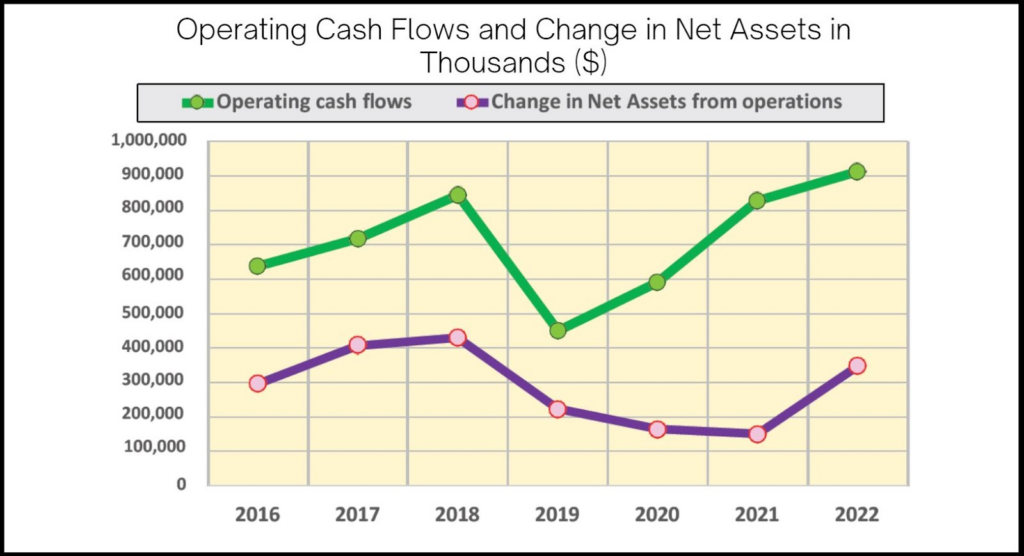
  • Columbia has $18.4 Billion in net assets. True unrestricted reserves are about $8 Billion!
  • The operating cash flow for 2022 was $911 Million! That is cash coming in minus cash going out in one year!
  • $1.2 Billion of revenue a year comes from public funding for research, from grants. That is money our work brings in! This reflects $900M in direct funding, and $300M in indirects.
  • The total research spending at Columbia in 2022 was $812 Million. Only two thirds of the research funding feeds back into research! Are they profiting out of our research while we can’t afford the bills?

It doesn’t add up! Columbia is investing in a lot of assets, but not in research. Why do they stifle our potential to do better research, when they can afford to provide us with quality housing, childcare and compensation? 

At the bargaining table, the Administration said that housing problems would cost them $16M, which is an insignificant fraction of their annual cash flows. 

We asserted on the bargaining table: Our research will bring more money in grants for Columbia if only they were to invest in us. We are not a zero sum game, we are not just a line on the budget. Our work greases the wheels of research at Columbia. 

CORRECTION: 

In yesterday’s debrief email we meant to include the negotiations on International Employee issues. Here is the amended version/update:

During the bargaining session on May 3rd, our Contract’s language on : International Employees was discussed: 

  • We explained that having longer lasting visas and correctly applied tax treaties would save us time, as it could offset renewal fees and exempt us from mandatory travel requirements, amongst other benefits. 
  • The CU admin dismissed us, saying that they do not want to include this in the contract, and that they already take excellent care of internationals!

Support your Contract demands!!!

RSVP to Join the Next Bargaining Sessions


HAVE AN ISSUE? GET IN CONTACT!

Want to stay informed? Check out our website and follow us on Twitter, Instagram, TikTok, Facebook, and join our and Slack​.

Second day of negotiating for our Contract with CU Admin!!!

Yesterday, March 3rd, we had our second bargaining session for our Contract with Columbia University’s Administration!!💥💥💥

Here’s a recap of what happened:

12 pm, Gathering! 

CPW set up tables in front of the Hammer building. Postdocs/ARSs came to socialize, and get t-shirts, pins and flyers.

1pm, Bargaining table formation! 

25 Postdocs/ARSs followed the BC inside the building and stood behind our Bargaining Team during the bargaining session.

35 of us in Hammer Building (CUIMC) prepared for our second bargaining session. 25 postdocs in the room standing behind our Bargaining Team of 10.

1:15 pm – 4:30 pm, negotiation time! 🗣️💫 

Context: we prepared a detailed package that was reviewed and approved by members. Sessions of the negotiations will be focused on different parts of the package. This session, we negotiated about Housing, Appointments and Reappointments, and International Employees. 

Columbia admin STILL has not provided their offer on Compensation!!! They do not want to address ANY economic issues early in the process. This attitude is stalling the conversation on many of the articles. 

Our BC wants to start the discussion ASAP on the topics Postdocs/ARSs care about. During this session, the following articles were addressed:

  • Housing – 
    • Summary of CU admin: they declined to consider housing issues for our contract, saying they are not mandated to do so by law.
    • CU Admin said: “We can talk about it all you want, but you are not going to get anything.” 
    • HOWEVER, given that struggling with housing majorly affects our working conditions, we argued that the law permits it, and we will push for affordable housing in our contract.
  • Appointments and reappointments  –
    • We clearly outlined the struggle of not being appointed/reappointed on time. Because of the administration’s incompetence, we receive no paychecks, our email and ID cards get deactivated, for up to several months! 
    • We demanded that Fellows are considered employees. The CU admin pushed back, saying their tax counsel recommends keeping Fellows contractors. 
    • HOWEVER, the NIH recommends that Fellows have full employee status. Moreover, Fellows are full employees in many other Universities, even at Columbia, in some cases. 
  • International Employees – 
    • We explained that having longer lasting visas and correctly applied tax treaties would help us and save us time, as it could lessen renewal fees and reduce mandatory travel requirements, amongst other benefits. 
    • The CU admin replied that they do not want to include this in the contract, and also, that they believe that they already take excellent care of internationals!

Caucusing.

We took one caucus (break) to discuss how to move forward. 

Direct input from members: we need to force CU admin to make an offer on 

Compensation. Right after the caucus, our Bargaining team 

demanded a compensation package from CU Administration ASAP. The administration continued to stall.

What’s next?

  • Next scheduled bargaining session is on Tuesday, May 9, 10am at Studebaker, with another following on May 11th in Hammer. Join the sessions! Join the Organizing Committee!
  • Since these bargaining sessions are very close to each other, we will have one single debrief session on them after the second session. Watch out for the follow up email! And join our slack for live updates and commentary during the bargaining sessions.

Cheers!

Your Friendly Neighborhood Bargaining Committee.


RSVP to Join the Next Bargaining Sessions 

Follow our next emails with updates on future steps!

Read the full report from the 2nd bargaining session!

Reach out to us to get involved!

Follow us on social media! (IG, Twitter, Slack)

Share this info with your friends and colleagues!
CHECK THE BARGAINING ARTICLE TRACKER


HAVE AN ISSUE? GET IN CONTACT!

Want to stay informed? Check out our website and follow us on Twitter, Instagram, TikTok, Facebook, and join our and Slack​.

May 3rd, 2nd NEGOTIATION SESSION

May 3rd, 1pm @ Hammer Building, LL210.

  • Members of the two bargaining teams arrived (Postdoc Union, Administration 13 mins late). Negotiations started.  
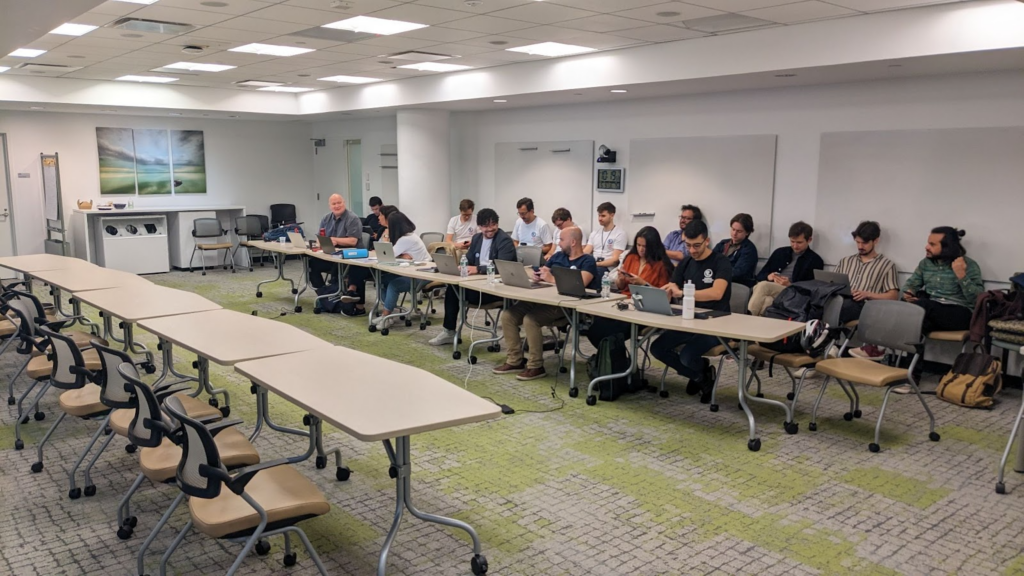
  • 35 of us are in the room right now fighting for a better contract. There are 25 postdocs in the room standing behind our Bargaining Team of 10.

  • First on the agenda: Housing. Dan Driscoll (Administration team, VP of HR) made a long introduction saying they don’t want to discuss housing because they are not legally obligated.  
    • They said: We can discuss housing, but it’s not going to happen, not in a contract.
    • Our BC tried to explain that housing conditions affect working conditions, that when you are trying to perform your research it is hard to not have secure housing, and it is difficult to come new to this country or the city and find an apartment without a credit score or without a guarantor, needing 40x rent for annual income. If they want postdocs to agree to a contract they need to agree to make progress in housing!!! 
    • The Administration is refusing to provide more data on Housing: number of units available, cost of operation, and profit they make off our rent when postdocs have CU housing. If NYU provides subsidized housing $1500 for a studio in the village, why can’t Columbia subsidize rent more Uptown?

  • We had our first break: The Administration left the room, we had a vibrant discussion. Issues that members brought up during caucusing:
    • Administration is refusing to talk about housing. They are not answering our questions. They are not putting specific proposals down on anything. They are not really engaging in bargaining, they “merely going through the notions” with no intention of reaching an agreement (this is called surface level bargaining. It is illegal for them to do that!).
    • They are saying that a lot of our issues can be solved through OPA, outside contract negotiations. We have tried for years!!! And generations of postdocs have tried before us! This is the only way!
    • How do we force the university to discuss compensation sooner rather than later? They are not making an offer for anything, but they also want to push compensation to the end. We need to increase the pressure.  
    • From our UAW service rep: if we can prove that housing affects our working conditions then it can be bargained. It is a really old law meant for factory workers, and we should not buy into their argument that they don’t have to bargain on housing.

  • Second session started: Appointments and reappointments. We explained the struggle of not being appointed on time. No pay, email and ID cards deactivated for a month mostly, but sometimes up to 3-4 months!
    • We explained that Postdoc Fellows need to be considered employees of the University. Right now, they are considered contractors, and their salary is the same as other postdocs but are taxed higher and lose benefits.
    • The Administration first said they are obligated by Federal law to treat Fellows as contractors. Then when our BC said that other universities don’t do that, and that even Columbia in some cases classifies postdocs with fellowships as employees then they said that each university they are advised by their own tax counsel, and they have to follow their own counselors.
    • The BC emphasized that the NIH is now recommending that fellows have full employee status and thus a fellowship should be no reason not to extend employee benefits. Columbia seemed unaware of those recommendations, disputed them, and went back to their first argument, they have to follow their tax counsel. 
    • The Administration’s reply: They have changed their policies for re-appointments and think that it will be successful. They notify the postdoc that their re-appointment is coming up 150 days early (we have plenty of cases where we notified HR plenty in advance and we still didn’t get re-appointed on time).  They are also trying to centralize the system, and have lists of postdocs whose appointments are coming up, and claim to be monitoring the Schools if the paperwork for those reappointments doesn’t come in. But have we seen a difference? Shouldn’t they provide the data that their policy change has been effective, if that’s their claim?
    • We provided 161 pages of emails of postdocs trying to deal with HR over re-appointments at delays.
    • They don’t want to provide guarantees that re-appointment will be processed 30 days before our annual appointment is up! They say that there might be unintended consequences (sic). Like what if money appears one day before a re-appointment is up, shouldn’t they still  be appointed? We offered to look at exceptions if they give us specifics.

  • Internationals:
    • We explained how having longer durations of visas would help postdocs. Now we have to pay renewal fees every year because forms are issued only for one year. They really don’t want to provide this due to some alleged “unintended consequences” that might happen but they refused to say today. We reinstated the very concrete and very real consequences that postdocs experience right now due to unnecessary yearly renewal. 
    • Tax issues: For example taxes being wrongfully withheld for SS, Medicare and Medicaid for some J1 visa holders (first two years) and many other issues
    • Admin told us that they have been responsive when we tell them, and that it is the postdocs job to keep bringing these issues to HR. How else would they be aware? Well, we are telling them on the bargaining table! 
    • We replied that we are not paid to do their job, that their incompetence is a burden on the postdocs.

  • In closing, we made clear that the Administration is following an aggressive strategy: waiting until the last minute for a last offer on compensation with a strict deadline on June 30th when our contract expires. And that they aim to force us to accept a bad contract.
  • Planning next sessions: Admin wants to spend next week (two sessions) discussing language of other articles, but non economic items. We asked: When are we starting the discussion about compensation? We are pushing hard to bring conversation to compensation as soon as possible. We have been working on this for months. For us it is important to know the Administration’s compensation proposal as soon as possible.
35 of us in Hammer Building (CUIMC) room LL210 prepared for our second bargaining session. 25 postdocs in the room standing behind our Bargaining Team of 10.

DO YOU WANT TO KNOW MORE?

Read the minutes from the other sessions!

Follow our next emails with updates on future steps and debriefing sessions!!

Reach out to us to get involved!

Follow us on social media! Twitter, Instagram, TikTok, Facebook, and join our and Slack​.

Share this info with your friends and colleagues!
[Tomorrow] Join us for a report on the financial status of Columbia University + Second Bargaining Session Wednesday 1-4pm!

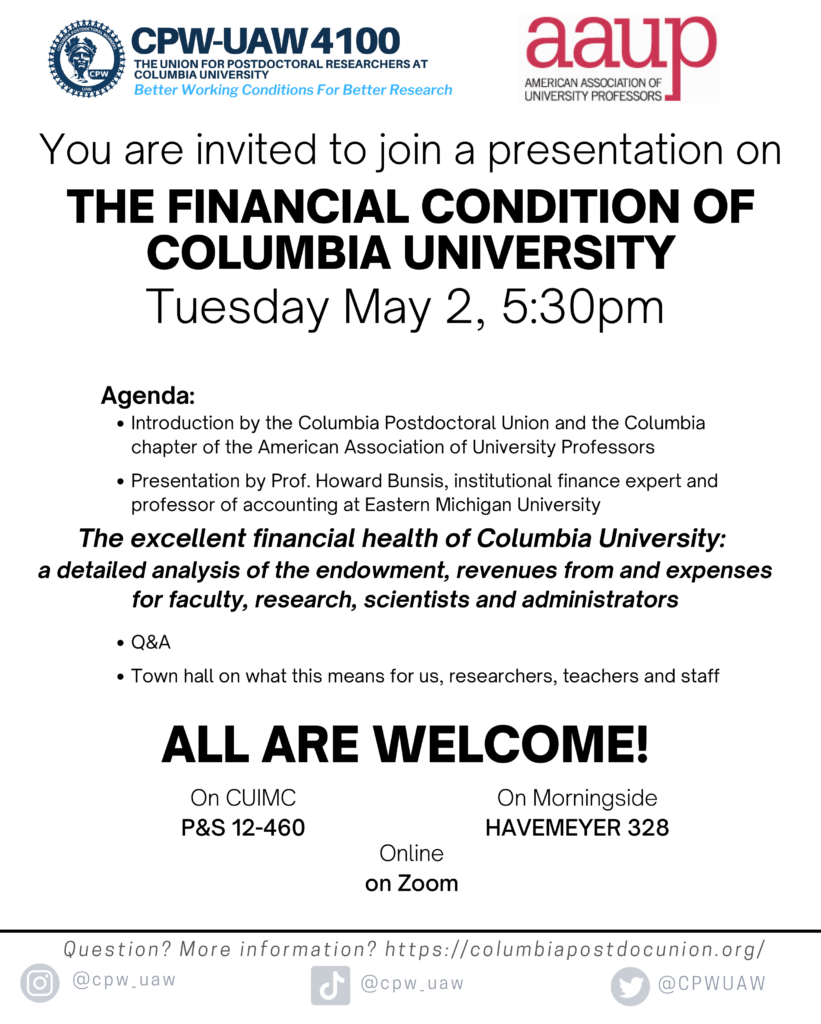
Reminder about tomorrow’s Town Hall to learn and discuss about the Financial Condition  of Columbia University: A thorough analysis of the endowment, revenues, expenditures, and the financial resources of the University.

Check Flyer attached 

RSVP for in person or zoom

🔥 2nd Bargaining Session at CUIMC – This Wednesday!!! 🔥

After a lot of back and forth, Columbia’s administration has confirmed our Second Bargaining Session on Wednesday May 3rd 1pm-4pm on Hammer Building Lower Level LL 210. We are frustrated that they are not confirming time and locations until at the last minute but we will keep updating about future sessions.

We plan to present our proposals on COLUMBIA HOUSING, INTERNATIONAL EMPLOYEES  and if there is time, APPOINTMENTS. We will also ask some questions about their proposed contract changes. 

Join the bargaining session! The more of us standing behind the bargaining table, the more we show the administration that we need timely appointments, protections for international workers, and support for affordable housing in NYC! 

RSVP to attend this and any of the upcoming sessions that we have confirmed 

(more will be added as Columbia’s administration Confirms)


HAVE AN ISSUE? GET IN CONTACT!

Want to stay informed? Check out our website and follow us on Twitter, Instagram, TikTok, Facebook, and join our and Slack​.

Debrief Tonight! + Report on Columbia’s Finances NEXT TUESDAY!!!

Two Important Events are happening this week and next, as negotiations continue – and it will be important to hear from you.

Today, on Zoom at 6PM – How Was Day One of Bargaining? 

We will debrief the first day of bargaining and plan our next actions! Together with the bargaining committee, we’ll discuss:

  • Updates on bargaining and specifics of the CU Admin’s opening offer.
  • What can you do to participate during the next rounds of bargaining? 
  • Our next actions: How do we fight for better terms on our contract?

RSVP Here!

Next Tuesday, May 2nd, at 5:30PM – Report on The Financial Status of Columbia University

As we  negotiate our second contract, it’s useful to understand Columbia’s financial status and how much they can support postdocs/ARSs and our research groups (spoiler: they can do better!)

We finally have a report on Columbia’s financial status! 🔥

CPW-UAW members funded an investigation of Columbia’s finances jointly with the Columbia chapter of AAUP, the American Association of University Professors. 

Next Tuesday, we will hear from Howard Bunsis, an institutional finance expert and professor of accounting at Eastern Michigan University who has examined the publicly available financial data for several universities, including Johns Hopkins, and Rutgers. This has allowed researchers at these institutions to contradict claims of institutional poverty and highlight management bloat.

We extend the invitation to others across the university to learn more and discuss how the university can better provide for the workers who keep it running!

Want to know how much money the university has made from your research? Want to know how much of that money is going towards raises for top administrators?

Cheers!


HAVE AN ISSUE? GET IN CONTACT!

Want to stay informed? Check out our website and follow us on Twitter, Instagram, TikTok, Facebook, and join our and Slack​.

 First day of negotiation for our Contract with CU Admin!!!

Yesterday, April 20th, we officially started our Contract negotiations with Columbia University’s Administration!!💥💥💥

Here’s a recap of what happened:

9 am, the rally!

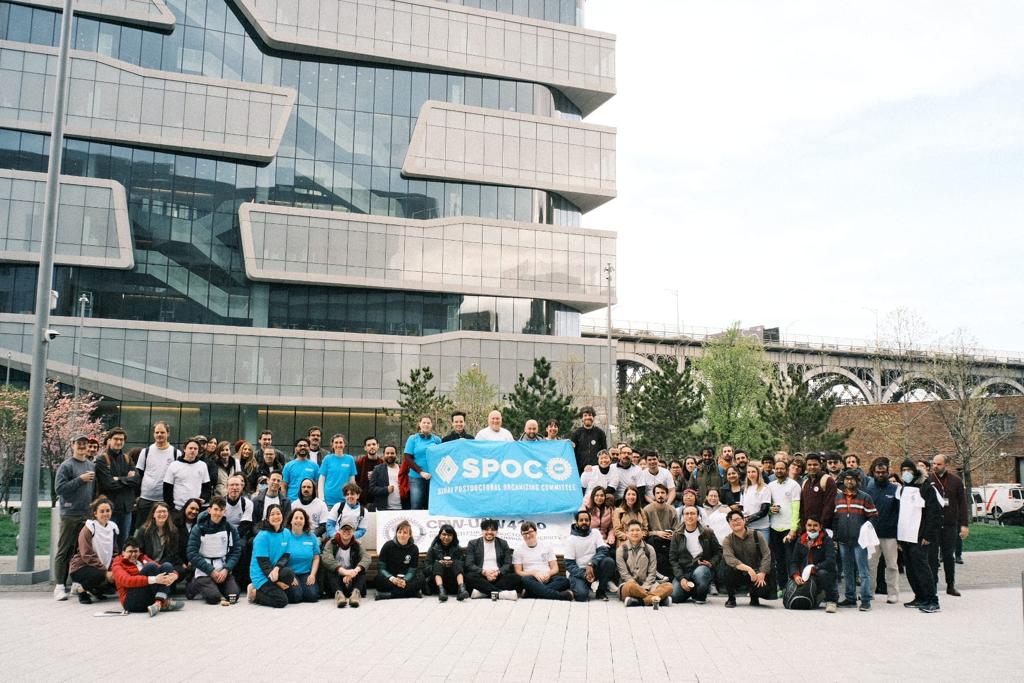
150 of us Postdocs, ARSs and friends gathered at Pablo’s park to kick-off the first day of negotiations!!! Colleagues from Mt. Sinai (SPOC) and Columbia Grad Student Workers (SWC) joined to show support. 80+ bagels, 8 lbs of cream cheese, liters of coffee were consumed and CPW t-shirts distributed. ☀️🌈🔥

10 am, collective walking to Studebaker building and bargaining table formation.
💻📖🖋️

10:15 am – 3:30 pm, negotiation time!
🗣️💫

After brief introductions of the respective members, the two bargaining teams (Union, Administration) addressed the following:

Our comprehensive proposal, amending 15 articles on our contract (only introduced). 

Hybrid modality for negotiation sessions. One of the main is to make the sessions accessible to every Member. The CU Admin pushed hard against hybrid bargaining!!!

CU Admin’s proposal. They offered modifications of only 4 articles:

  • Vacations
  • Grievance and Arbitration
  • Union dues
  • Union access and rights

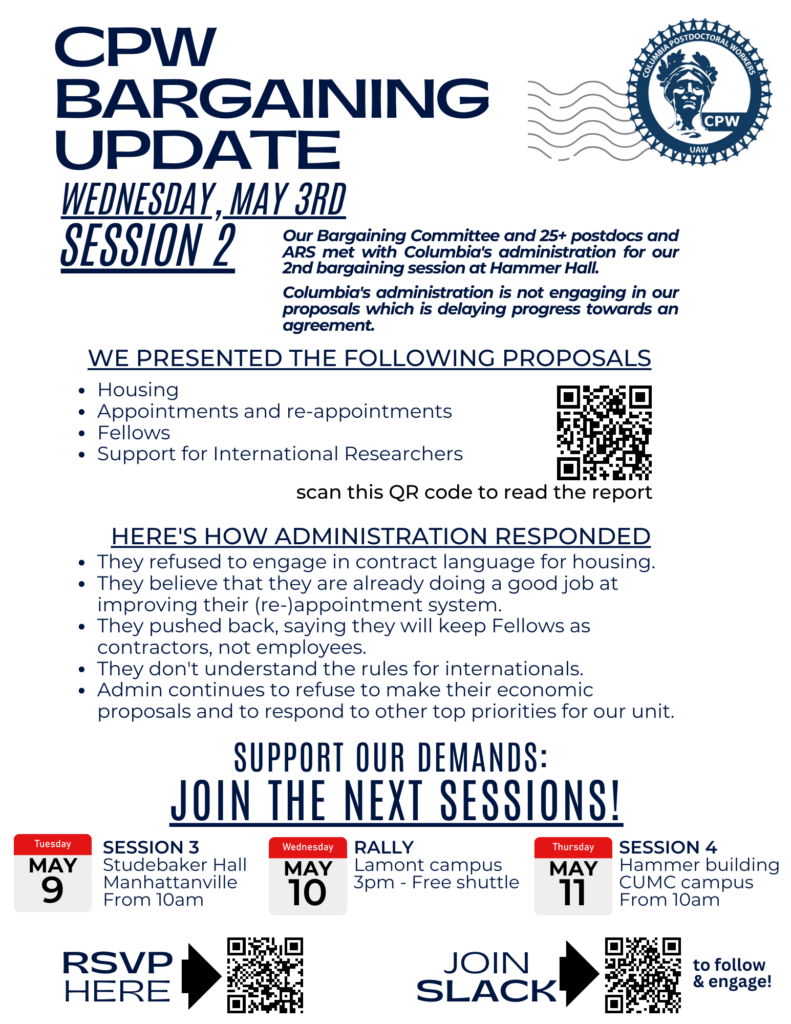
We will debrief their offer with the BC this Tuesday by Zoom, info here below. Join the session and let us know what you think!!! The most concerning issues in their offer are the following: weakening and defunding our Union, slowing down the grievance process and taking away our right to have unused vacation paid.

– They asked some questions on selected proposals of our package.
CHECK THE BARGAINING ARTICLE TRACKER

  • Throughout the day, we took breaks to discuss within our group how to move forward and what to reply to CU Admin. (Caucusing). Hybrid bargaining is fundamental if we want to be able to hear from our Members during these moments!!!

What’s next?

Next scheduled bargaining session is on May 9, 10am. We requested more dates given that are only 2 months away from the expiration of our contract. They will get back to us with more dates.We will keep you updated!

Debrief!!! Join the Zoom session with the Bargaining Committee (Tuesday, April 25th at 6 pm/zoom link) and tell us what you think!!!The most concerning issues we need to address are:

  • Specifics of the CU Admin’s offer.
  • How much we want to fight for the hybrid option.
  • Our next steps.
  • How do we fight for better terms on our contract?

RSVP for the debrief discussion on April 25th at 6:00pm

Do you want to know more?

Join the debriefing session on zoom!

Read the minutes from the 1st bargaining session!

Follow our next emails with updates on future steps!

Reach out to us to get involved!

Follow us on social media! (IG, Twitter, Slack)

Share this info with your friends and colleagues!
Cheers!
Your Friendly Neighborhood Bargaining Committee.

Throughout the day we paused the bargaining process to discuss strategy with all postdocs and ARSs in the room, without the administration bargaining team. This is called caucusing. It only works if people join the bargaining sessions—that’s why hybrid bargaining is so important.

HAVE AN ISSUE? GET IN CONTACT!

Want to stay informed? Check out our website and follow us on Twitter, Instagram, TikTok, Facebook, and join our and Slack​.